


Forensic material research encompasses scientific and engineering doctrines to solve a crime. The ability to disassemble the specialized and technical skills required for forensic engineering for interpretation by members of the judiciary and security. The basic principle of forensic investigation is to find evidence of a criminal or incidental activity that keeps its own record. This chapter covers analytical techniques, chemical reagents and methods involved in forensic material analysis.
Gmka Defense provides end-to-end material analysis. Our comprehensive approach includes both failure analysis and identification of contributing causes.
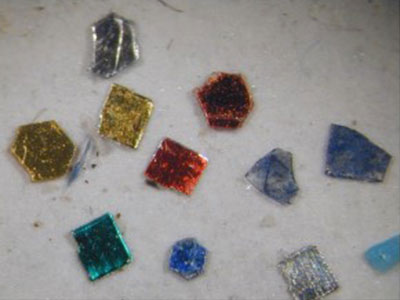
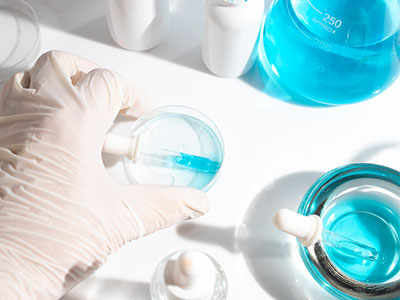
Material analysis, This method is an analytical technique used to identify organic, polymeric and in some cases inorganic materials. The infrared spectroscopy analysis method uses infrared light to scan test samples and determine their chemical properties. The infrared spectrometer device sends out radiation. The absorbed radiation is converted into vibrational energy by the sample molecules.

Material analysis is an analytical technique used to identify organic, polymeric and sometimes inorganic materials. Infrared spectroscopy is one of the analysis methods used to scan test samples and determine their chemical properties using infrared light. An infrared spectrometer emits radiation, which is absorbed by the sample molecules and converted into vibrational energy. Each molecule or chemical structure produces a unique spectral fingerprint.
By conducting material analysis in this way, chemical identification can be achieved. It is used for identifying unknown materials, characterizing materials, identifying contamination within a material, identifying additives in a polymer matrix after extraction, and identifying oxidation, degradation, or uncured monomers in failure analysis investigations.
Considering the diversity of evidence, below is a summary of many common materials examined:
►Controlled substances
►Pharmaceuticals
►Materials obtained from suspicious concealed drugs, laboratories
►Flammable liquids in fire debris
►Explosives and post-explosion residues
►Selected poisons and unknown chemicals
►Hairs, fibers, fabrics, and ropes
►Assessment of clothing damage
►Paint, surface coatings, polymers
►Impression evidence (shoes, tires, etc.)
►Physical matches of broken/ripped materials
►Soils and botanical materials
►Stomach contents
►Vehicle lamps
►Glass
►Other miscellaneous materials
Through material analysis, critical evidence can be obtained, and the identification of various materials can greatly assist in forensic investigations and legal proceedings.